Messerschmidt Humanitarian Award 2026 - Shuman - Registration
Registration

Registration
We have some incredibly exciting news to share with our entire community
Thanks to the hard work of our staff, residents, and partners, our community scored well over the required points on the state’s certification workbook, soundly exceeding the initial requirements for this prestigious designation

This milestone achievement wouldn’t have been possible without two incredible driving forces:
The Atrium Environmental Sustainability Group: The passion, advocacy, and dedication of this group were the true catalysts for this initiative
The University of New England (UNE): We extended our collaborative hands to academia, working closely with Professor Jeremy and his stellar student intern, Zoe. The UNE team spent countless hours documenting the eco-friendly operational practices already thriving across our campus
To earn this certification, the DEP evaluated our campus across multiple categories
Waste Management: We have implemented robust recycling programs for paper, glass, metal, and plastic, backed by clear, informative signage and labeling
Energy Efficiency & Water Conservation: We utilize campus-wide LED lighting and Energy Star appliances, alongside the installation of low-flow fixtures.
Landscaping & Maintenance: Our grounds team has increased the utilization of native plant species and organic fertilizers, while our indoor maintenance incorporates “Zero VOC” eco-friendly paints
Unique Innovations: The state specifically recognized our electric vehicle (EV) charging outlets in two of our resident garages, our resident sustainability committee, and our beautiful Monarch butterfly program
Educational Offerings: We continuously foster a culture of learning through presentations and collaborations with local eco-champions like ECO Maine, Garbage to Garden, and Portland Water
This certification is a commitment to the future. To maintain our status, we must increase our point totals during each recertification cycle.
Moving forward, the participation and the continued efforts of The Atrium Environmental Sustainability Group will be a significant part of our improvement strategy as we look for new projects to further reduce our environmental footprint
We will also be scheduling a special educational session with Professor Jeremy from UNE soon so residents can ask questions and learn more about this partnership
Thank you to everyone who helps make The Cedars a sustainable, forward-thinking place to call home
At The Cedars, we are often asked what makes our community feel so different. Our history and mission lay the foundation, but the heart of our organization is the people who dedicate their careers to the health and happiness of our residents. We’re proud to share news that highlights the high caliber of our team.
Our dining partner, Unidine, is part of the CCL Hospitality Group—a massive orga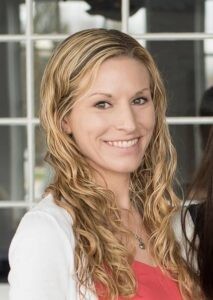 nization with a presence in 44 states and over 850 communities nationwide. Within this vast network of thousands of healthcare and culinary professionals, one name has risen to the top this year: our very own Jenny Maynard.
Jenny was recently named a National Runner-Up for the Registered Dietitian Nutritionist (RDN) of the Year Award. To be recognized as one of the top two leaders across nearly a thousand communities is a staggering achievement and a testament to the excellence she brings to The Cedars’ hallways every single day.
For over 15 years, Jenny has been a constant, caring presence on our campus. Her role is as multifaceted as the care we provide; she meets with residents daily, leads our food forums to ensure every meal meets expectations, and mentors medical students from the University of New England (UNE). Whether she is teaching a class on heart health or acting as a vital liaison for our nursing staff, Jenny embodies the inspiring leadership that defines the best of our profession.
We often talk about our strategic pillars—leadership, commitment, and a genuine caring spirit—but Jenny doesn’t just talk about them. She lives them. She is a trusted role model not just for us in Portland, but for the entire wellness community across the country.
Please join me in congratulating Jenny on this massive national recognition. We are so fortunate to have her heart and her expertise guiding our nutrition and wellness programs.
 Susan Wehry, MD, a distinguished geriatric psychiatrist, passionate advocate, and Medical Advisor to The Cedars Learning Community joins us each month to share her insights. Drawing upon lessons from her multifaceted career and over 40 years of experience in long-term care and geriatrics, Dr. Wehry will share her unique perspective on some frequently asked questions about aging and brain health.
For much of my career, I’ve been an ardent advocate of nonpharmacological approaches to cognitive and emotional health and well-being. Well, that hasn’t changed, but I am ready to concede that many, many people want a pill—an observation supported by market research: Americans spend an estimated $3.56 billion annually on supplements for brain or cognitive health, according to 2024 data and spending is projected to reach roughly $6.8 billion by 2030.
 The numbers finally broke me. Americans are spending billions on cognitive supplements, and clearly, many people truly want a pill. So, I surrender. This month, I will begin prescribing ‘the nature pill,’ a concept first introduced in 2019 by landscape architect Dr. MaryCarol Hunter, an associate professor at University of Michigan. She recognized what poets, philosophers and Indigenous elders have known for eons: a walk in nature is restorative! But she wanted to quantify the benefits, defining exactly what ‘counted’ as ‘nature’ in an urban setting, the mechanism for its healing, and, critically, the optimal dose and frequency.
What better month than March to begin your own exploration? Despite the occasional snowstorm, it’s a great time to be outdoors. Spring teasers abound: we shed a few layers, feel the warm-cold breeze on our skin, hear exuberant birdsong, notice buds on shrubs, smell the rich scent of rotting leaves and humus wafting with woodstove smoke and spy scattered sticks ready for playing fetch with a dog with muddy paws. That entire sensory experience—the shed layers, the warm-cold breeze, the sights, sounds and scents—was all before 8 a.m. This is the beauty of the ‘nature pill’: finding a potent dose of restoration that is effortless.
So here’s your prescription: To lower your cortisol (the stress hormone) and improve your attentional capacity and emotional well-being:
Take one “nature pill” daily, 3 times each week; consume outdoors, in daylight, on a full or empty stomach, allow 20 minutes to fully ‘digest’. Refills: unlimited.
For optimal restorative effect, avoid strenuous exercise and leave ALL digital devices off or at home. For those who cannot get outside, simply looking through a window at nature or opening it to let in the scents and sounds can support mental well-being. Dr. Hunter suggests nature can be any space with ‘elements of living systems’—trees and animals— characterized by high-complexity and “curved or organic edges” that create a “soft fascination”.
Happy, softly fascinating spring, Dr. Susan Wehry
What would you like to know? Send your question for Dr. Wehry on Healthy Aging to Tracy Ericson at tericson@thecedarsportland.org
Susan Wehry, MD, a distinguished geriatric psychiatrist, passionate advocate, and Medical Advisor to The Cedars Learning Community joins us each month to share her insights. Drawing upon lessons from her multifaceted career and over 40 years of experience in long-term care and geriatrics, Dr. Wehry will share her unique perspective on some frequently asked questions about aging and brain health.
February is the shortest month of the year. It hosts Black History Month, Groundhog Day, President’s Day, and Valentine’s Day. It’s still winter but the days grow longer. Morning comes more quickly and night falls less fast. The sky is lighter. Fittingly, February is also American Heart Month, in which we are encouraged to adopt healthy lifestyle habits—a diet richer in whole foods, regular exercise, putting aside tobacco —all which can prevent up to 80% of cardiovascular events.
But when I was a child, February was the month when my best friend Susan Elaine and I would be sledding, building forts, and defending our turf with snowballs and cunning. We selected and signed Valentine’s Day cards with great care. We didn’t think much about this being “good for the heart” or “good for the brain”. We were, quite simply, playing. And this month, I want to encourage you to do the same: Play more!
 I’m often asked: Is playing Chess good for you? What about Sudoku? What about crossword puzzles? And my answer is nearly always the same: Is it fun? Do you enjoy it? Good habits should be fun—or you might not keep them up!
Social play provides positive interaction and initiates a complex cognitive process that engages multiple brain regions. Social interaction is essential, as loneliness is a known risk factor for poor health.
Playing is as essential for adults as it is for children. For children, play is the primary way they learn about and interact with the world around them. Playful activities like building forts or sledding with friends allow children to negotiate social dynamics and forge lasting connections. Play supports social and emotional development and promotes physical health. For people of all ages, play that includes physical activity increases blood flow, delivering essential nutrients to both the heart and brain. This improved circulation positively impacts mood, bones, muscles, and gut health and encourages the growth of new brain cells, a process called neurogenesis. Playing outside exposes the body to natural light and fresh air, which further positively affects mood and cognitive function. Time spent in nature offers a restorative break that reduces stress, improves focus and concentration and further strengthens the brain’s resilience against cognitive decline.
So, have some fun! Send a card or text to someone who has touched your heart, schedule a new playdate or reminisce about an old playmate. Your heart—and your brain—will thank you.
What would you like to know? Send your questions to Tracy Ericson at tericson@thecedarsportland.org
In memoriam. Susan Elaine Finney Hutcherson. 1951 – 2007


 On November 13, 2025 friends of The Cedars gathered in the Atrium for a Legacy Circle luncheon that was both a celebration and a call to action. As The Cedars approaches its centennial, the room was filled with warmth, gratitude, and a shared sense of purpose—honoring the foundation laid by those who came before while imagining all that lies ahead.
Throughout the afternoon, legacy was explored not as numbers on a page, but as something deeply human: a statement of values, a gift of meaning.
The Jewish concept of l’dor v’dor—from generation to generation—wove through the conversation, reminding everyone present that what we inherit is both a blessing and a responsibility. We hold it briefly, then pass it forward with care.Speakers shared stories that brought the mission to life.
The Household Model was described not just as a program, but as a reimagining of home—where daily rhythms honor dignity and belonging. Mindful Connections was celebrated for the way it wraps its arms around families navigating memory loss, offering support so they can continue living safely and joyfully together. And Opening Minds Through Art drew smiles as guests heard about the intergenerational magic that happens when people with dementia, students, and facilitators gather to create—proving that self-expression and connection know no boundaries.
Planned giving options were introduced as practical pathways for sustaining this work: bequests, beneficiary designations, charitable gift annuities, and trusts—each a different way to plant seeds for tomorrow.
The gathering closed with a beautiful Talmudic teaching about planting a carob tree, knowing you may never taste its fruit. It was the perfect image for everyone in the room: people planting shade they may never sit under, because they believe in the future being built together.
Watch for details about the next Legacy Circle gathering, where we’ll explore these options further and discuss how your values can shape The Cedars’ next century.
Contact us at 207-221-7007 or development@thecedarsportland.org to learn more about opportunities to support The Cedars through an estate commitment and to learn about the Charitable Gift Annuity Program that is now available in our community through Bar Harbor Bank.
A diagnosis of early-to-moderate memory loss often feels like a door closing. Families frequently describe a shrinking world—friends stop calling, social outings become stressful, and the focus shifts entirely to what is being lost.
At The Cedars, we believe the conversation should be about what remains. Our Mindful Connections program is designed to open those doors back up, proving that a diagnosis doesn’t have to mean the end of a vibrant social life.
Our commitment to this mission was recently reinforced when The Cedars was awarded a $125,000 Community-Dementia Care Research Promotion (CDRI) grant from the Alzheimer’s Association. As one of only 41 organizations in the United States selected for this honor, the grant serves as a powerful “seal of approval” for our work. For our local families, this national recognition represents a promise: that we will continue to expand our “memory-capable” care and bring the highest level of expertise directly to the Portland community. This support ensures that Mindful Connections remains a gold standard for outpatient support.
What makes Mindful Connections different? It’s our philosophy. Our staff is trained in the Teepa Snow Positive Approach to Care (PAC). Instead of focusing on “fixing” or “correcting” an older adult with memory loss, we meet them exactly where they are.
By using specific techniques—like “Hand-under-Hand” guidance and specialized communication—we reduce frustration and build confidence. In our Wellness Group sessions, held from 10:00 AM to 4:00 PM, participants aren’t “patients”; they are peers engaging in:
We know that for an older adult to thrive at home, their caregiver must thrive, too. Mindful Connections serves as a vital respite program. While your loved one is safe and engaged with us, you have the time to rest, work, or run errands, knowing they are receiving world-class care backed by national-level research and funding.
Mindful Connections is about more than just “daytime supervision”—it is about maintaining the Six Dimensions of Wellness (Physical, Intellectual, Occupational, Social, Spiritual, and Emotional) so that our neighbors can live independently in the homes they love for as long as possible.
Are you curious if Mindful Connections is right for your family? Our Program Coordinator is ready to help you navigate this journey. We invite you to schedule a tour or an evaluation to see our “Positive Approach” in action.
Susan Wehry, MD, a distinguished geriatric psychiatrist, passionate advocate, and Medical Advisor to The Cedars Learning Community joins us each month to share her insights in a new column: #BeingWithAging. Drawing upon lessons from her multifaceted career and over 40 years of experience in long-term care and geriatrics, Dr. Wehry will share her unique perspective on some frequently asked questions about aging and brain health.
Let’s face it: healthy brain function requires a little bit of the luck of the draw (your genes and zip code). Mostly though, it requires consistent, conscious habits that bolster the pillars of brain health: physical activity, mental stimulation, sleep and nutrition, and social connection.
The simplest yet most powerful habit is physical exercise. What’s good for the heart (and for that matter for your mood, bones, muscles and gut!) is excellent for the head. Aerobic activity increases blood flow to the brain, delivering essential oxygen and nutrients. This improved circulation also promotes the growth of new brain cells (neurogenesis) and strengthens the connections between them, effectively building the brain’s resilience against cognitive decline. Even a brisk daily walk can be a profound investment in long-term cognitive health.
Equally important is mental stimulation. The brain thrives on novelty and challenge. Engaging in activities that are complex and unfamiliar—such as learning a new language, taking up a musical instrument, or studying a new subject—forces the brain to create new pathways, a concept known as cognitive reserve. This reserve acts as a buffer, allowing the brain to maintain function even if some areas are damaged. Consistency in learning, rather than intensity, is the key.
Beyond activity, quality sleep and a brain-healthy diet are non-negotiable. Sleep is the time the brain uses to clear out metabolic waste products and consolidate memories. Prioritizing 7–9 hours of restorative sleep each night is crucial. Similarly, a diet rich in omega-3 fatty acids, antioxidants, and dark leafy greens—like the Mediterranean diet—provides the necessary fuel to protect brain cells from damage.
Finally, maintaining social connections is a powerful brain habit. Meaningful social interaction is a complex cognitive task that engages multiple brain regions, reducing stress and fighting loneliness, a known risk factor for poor health.
Heard it all before? No doubt. But please, check back with me monthly as we dive a little deeper, reflect a little longer, and devise some strategies for getting you to where you want to be in 2026 and beyond.
What would you like to know? Send your questions to Tracy Ericson at tericson@thecedarsportland.org
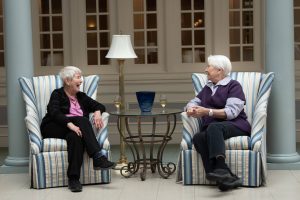
For many of us, our home is more than just a place to live; it’s a living scrapbook of a lifetime of memories. The creak in the floorboard, the height marks on the kitchen doorframe, the garden we’ve tended for decades—these are the things that make a house a home.
So, it’s entirely natural for the thought of moving to a senior living community to feel overwhelming. The idea of leaving a place that holds so much history can be emotionally daunting. But what if the journey from house to home could be a celebration of your life, not an ending? What if it were the first step toward a new kind of freedom and joy?
At The Atrium, we understand this journey is a major life transition, and our compassionate team is here to support you every step of the way. Here are a few practical tips and an overview of how we help make the transition to our Portland, Maine, community as smooth and stress-free as possible.
The thought of sorting through a lifetime of belongings can feel like a monumental task. The key is to approach it with a clear mind and a supportive plan.
Start Small: Don’t try to tackle the entire house at once. Begin with a single room or even a single drawer. The sense of accomplishment from completing a small task will build momentum and confidence.
Sort into Categories: Create three simple piles: “Keep,” “Donate/Sell,” and “Recycle/Discard.” Be intentional about what you keep, focusing on items that bring you joy and comfort. Remember, you’re not getting rid of your memories—you’re curating them.
Involve Your Family: Turn the process into a shared experience. Invite adult children or grandchildren to help. This is a wonderful opportunity to share stories, pass on treasured heirlooms, and remember the moments that made your house a home.
Focus on Treasures, Not Things: The goal isn’t to pack everything into a smaller space. It’s to bring the most meaningful parts of your life with you. Your new apartment at The Atrium is a blank canvas for your most cherished photographs, beloved books, and favorite armchair.
Moving to a retirement community doesn’t have to be a solo effort. Our team is dedicated to providing you with the resources and support you need to make the transition a seamless experience.
Your Dedicated Move-in Coordinator: We provide every new resident with a dedicated Move-in Coordinator. This person serves as your single point of contact, helping you with everything from choosing paint colors to coordinating with your moving company.
Partnering with Local Experts: We have established relationships with trusted professional organizers and movers in the Portland area who specialize in senior transitions. They understand the unique needs of this process and can help with everything from decluttering to packing and setting up your new home.
For 40 years, Diane lived in a beautiful colonial house in a quiet Portland suburb. While she loved her home, the constant upkeep had become a burden. The thought of moving was overwhelming, but with the support of her family and The Cedars’ team, she leaped.
Our Move-in Coordinator helped Diane with the logistics, and with the help of a professional organizer, she was able to sort through her belongings thoughtfully. She decided to keep her treasured rocking chair, her collection of classic novels, and her favorite oil paintings.
Today, Diane’s new apartment at The Atrium is a perfect reflection of her life. Her rocking chair sits by a bright window, her favorite photos are displayed on a beautiful bookcase, and she is a regular at the community book club.
“I was so worried about leaving my house, but now I realize I didn’t lose my home—I just found a new one,” Diane says with a smile. “All the most important parts of my life are right here with me, and now I have more time to enjoy them.”
Moving is a significant decision, but it can also lead to a richer, more vibrant chapter in your life. At The Atrium, we’re not just offering a new address; we’re offering a supportive community and the peace of mind that comes with knowing you have a team by your side.
Ready to learn more? We invite you to contact us today to speak with our team and start your own smooth journey to a beautiful new home.

620 - 650 Ocean Avenue
Portland, Maine 04103
207.221.7000
info@thecedarsportland.org
NONPROFIT SINCE 1929